
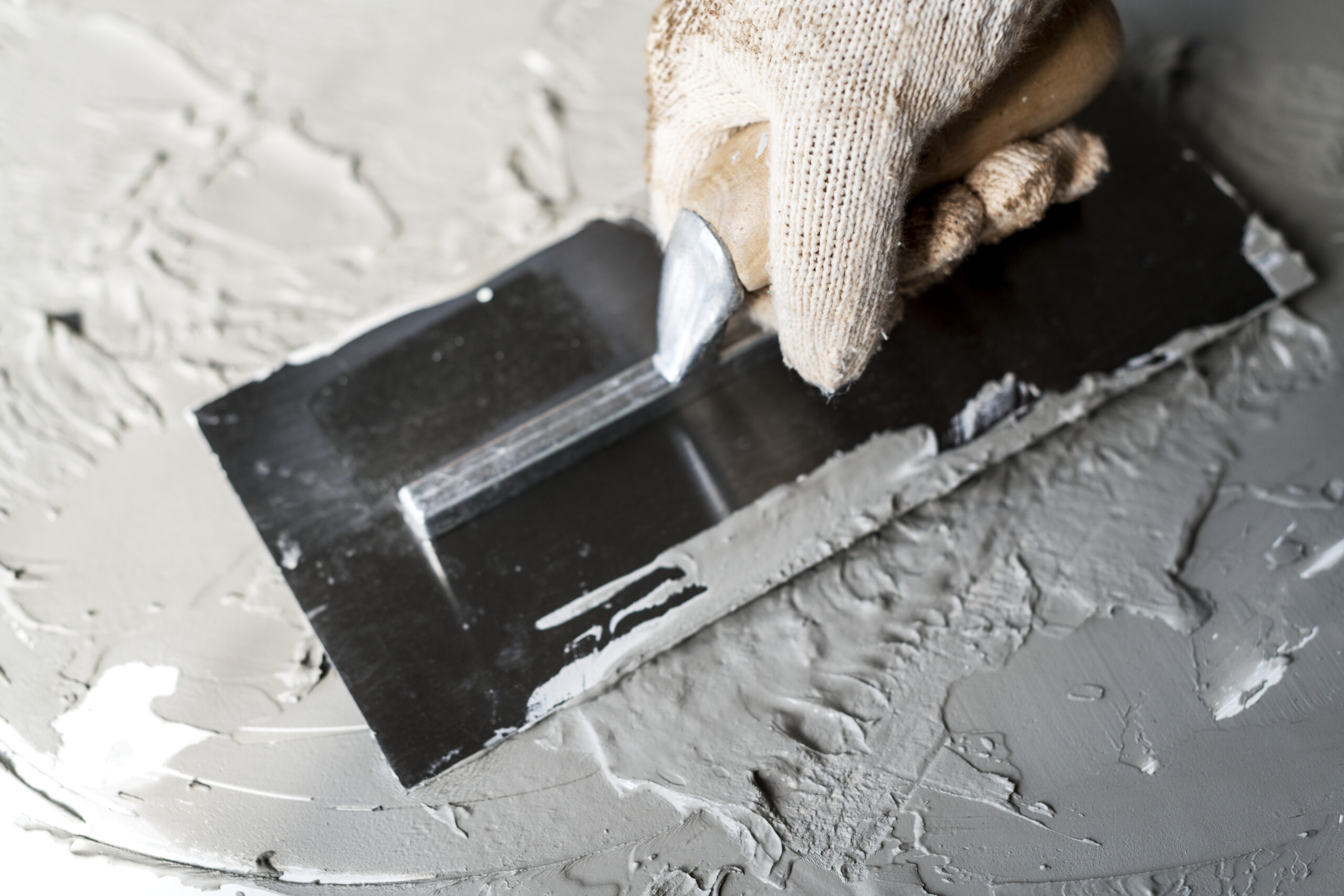
Fresh paint can transform a room, but it cannot hide a poor surface underneath. Cracks, uneven patches, old textured finishes and damaged plaster can remain obvious regardless of how carefully a room is decorated. Professional plastering in Liverpool provides the smooth, consistent surface needed to give walls and ceilings a properly finished appearance.
At JW Plastering and Rendering, we carry out plastering for homeowners, landlords and property owners dealing with everything from individual damaged walls to rooms requiring complete renovation. The right approach depends on the existing surface, its condition and what you want to achieve.
That might mean skimming an existing wall, repairing damaged areas or replastering as part of a larger refurbishment.
If your walls or ceilings need attention, contact JW Plastering and Rendering to discuss your Liverpool property and request a quotation.
When Should You Consider Plastering?
Not every imperfect wall needs the same treatment.
Small holes or isolated areas of damage may only require local repairs. A room with widespread unevenness, deteriorated plaster or extensive renovation work may need a more comprehensive approach.
Common reasons customers consider plastering include:
- Cracked or damaged internal plaster
- Uneven walls that are difficult to decorate
- Tired ceilings requiring attention
- Walls affected by previous building work
- Surfaces left after removing old wallpaper or coverings
- Renovations and property refurbishments
- Preparing rooms for painting or decorating
- Improving poorly finished previous repairs
Assessing the existing surface first helps determine what work is actually required.
Simply applying a fresh skim coat is not always the correct answer. If plaster is loose or the background has an underlying problem, appropriate preparation needs to come first.
Professional Plastering in Liverpool for a Better Finish
A freshly plastered wall should provide a clean foundation for the rest of the room.
This is particularly important when you are investing in redecoration. Modern paints and lighting can make imperfections surprisingly noticeable. Natural light from a window or lighting positioned close to a wall can highlight bumps, poor repairs and inconsistent surfaces.
Professional plastering in Liverpool is therefore not just about covering a wall. Preparation, application and finishing all contribute to the final result.
The edges around sockets, windows, doorways, skirting areas and adjoining walls also require attention. These details might seem minor while work is underway, but they influence how neat the room looks once everything has been decorated.
The objective is a surface that works as part of the entire room rather than simply looking acceptable in isolation.
JW Plastering and Rendering
At JW Plastering and Rendering, we understand that having plastering carried out in your home can be disruptive, particularly when the work forms part of a larger renovation.
Our approach starts with establishing what needs attention and why.
The existing condition of the walls and ceilings is considered before deciding how they should be prepared and finished. This is particularly important in older properties where surfaces may have been repaired, wallpapered, painted and altered numerous times.
We also believe customers should understand the work being proposed.
If you are unsure whether a wall needs skimming, repairing or more substantial plastering, we can discuss the condition of the surface and the result you want before the work begins.
From one-room improvements to larger refurbishment projects, the focus is on providing properly prepared internal surfaces ready for the next stage of your property improvement.
Need a quote for plastering in Liverpool? Speak to JW Plastering and Rendering about your walls, ceilings or renovation project.
Skimming Walls and Ceilings
Skimming involves applying a thin finishing coat of plaster to create a smooth surface.
It can be a useful option when the underlying background is suitable but the visible surface has become uneven, marked or unsuitable for the decorative finish the homeowner wants.
Skimming is commonly considered during room renovations, after certain repair work or when existing surfaces need improving before decorating.
However, it should not be treated as a way of hiding every possible wall defect.
If the existing plaster is loose, unstable or affected by another underlying issue, that needs to be considered first. Applying new finishing plaster over an unsuitable background can undermine the quality of the completed work.
Proper assessment and preparation therefore remain essential, even when the visible plaster layer itself is relatively thin.
Repairing Cracked or Damaged Plaster
Damage does not always mean the entire room needs replastering.
Plaster can become damaged following electrical work, plumbing alterations, leaks, impact or other renovation work. Older walls may also contain previous patches that no longer blend neatly with the surrounding surface.
Where appropriate, targeted plaster repairs can restore affected areas and prepare them for decoration.
Cracking deserves particular attention because cracks can occur for different reasons. Some are limited to the surface finish, while recurring or significant cracking can indicate movement or another issue that should be investigated.
A professional assessment helps determine whether a straightforward plaster repair is suitable rather than automatically covering the crack and hoping it does not return.
Plastering Ceilings
Ceilings are a major part of a room's visible surface, yet their condition is sometimes overlooked until decorating begins.
Old repairs, cracks, uneven areas or unwanted existing finishes can become particularly noticeable when ceiling paint is applied.
Depending on its condition, a ceiling may be suitable for repair or skimming. More substantial renovation work may involve plasterboard and subsequent plastering to create the required finished surface.
Ceiling work requires careful preparation and attention to adjoining walls, light fittings and other details.
If both the walls and ceiling require work, completing them as part of the same renovation stage can help create a consistent finish throughout the room.
Plastering During a Liverpool Property Renovation
Renovation often reveals problems that were previously hidden.
Removing wallpaper, old fittings, fitted furniture or other coverings can expose cracked plaster, historic repairs and uneven backgrounds. Changes to electrics and plumbing may also leave channels and disturbed sections of wall requiring attention.
This is where plastering becomes an important stage between the structural or service work and final decoration.
Liverpool has a broad mix of property types, including traditional terraces and period houses where internal walls may have undergone decades of alterations. These buildings can require a different approach from newer houses, flats or recently built extensions.
Understanding what is beneath the visible surface helps determine the appropriate preparation and plastering method.
For larger renovations, it is also sensible to consider the sequence of work. Completing relevant electrical, plumbing and building alterations before final plastering can reduce the likelihood of newly finished walls needing to be disturbed.
Plastering Across Liverpool
From older terraced houses to modern family homes and apartments, Liverpool properties can present very different plastering requirements.
An older room may contain layers of previous decoration and repairs. A recently altered property might instead need new surfaces finished following building work. Rental properties may require damaged areas restoring between tenancies, while homeowners may simply want a better foundation for a complete redecoration.
Our plastering in Liverpool service is approached according to the condition of the individual property rather than assuming every room needs identical treatment.
If you can see cracks, uneven surfaces, damaged plaster or a ceiling that needs improving, JW Plastering and Rendering can discuss the options with you.
Our Plastering Process
While every project differs, a typical plastering job follows several important stages.
1. Discuss the work
We establish which walls or ceilings require attention and the finish you are looking for.
2. Assess the surfaces
Existing plaster and backgrounds are considered to determine the appropriate preparation and plastering method.
3. Prepare the area
Necessary surface preparation is completed before plaster is applied.
4. Carry out the plastering
The relevant areas are plastered with attention to consistent coverage, edges and adjoining surfaces.
5. Finish the surface
The plaster is worked to achieve the required smooth finish.
6. Allow appropriate drying
Fresh plaster needs suitable time to dry before decoration. You should avoid rushing into painting while the surface still contains excess moisture.
Need Plastering in Liverpool? Get in Touch
Whether you are preparing one room for decorating or renovating an entire property, the quality of the underlying walls and ceilings has a major impact on the finished result.
Professional plastering in Liverpool can deal with damaged, uneven or tired surfaces and give you a clean foundation for the next stage of your project.
Contact JW Plastering and Rendering today to discuss your plastering requirements in Liverpool and request a quotation.
Frequently Asked Questions About Plastering in Liverpool
How do I know whether my walls need skimming or replastering?
It depends on the condition of the existing plaster and background. A stable wall with surface imperfections may be suitable for skimming, whereas loose, badly damaged or unsuitable plaster can require more extensive preparation. An assessment is the safest way to determine the appropriate approach.
How long does fresh plaster take to dry?
Drying time varies according to plaster thickness, room temperature, ventilation, humidity and the surface underneath. The plaster should be allowed to dry properly before painting. Rather than relying on a fixed number of days for every project, check that the surface has dried evenly before decorating.
Can you plaster over cracked walls?
Some cracks can be prepared and repaired before plastering, but the cause matters. Simply covering a recurring crack may not prevent it from returning. Significant or repeatedly appearing cracks should be investigated so any underlying issue can be considered before finishing work takes place.
Can you plaster over existing painted walls?
In some circumstances, existing walls can be prepared for a new plaster finish, but suitability depends on the condition and type of surface. Loose paint, contamination or unstable backgrounds require attention first. Correct preparation helps the new plaster achieve an appropriate bond.
Should plastering be done before decorating?
Yes. Plastering and relevant repair work should normally be completed before final painting or wallpapering. Fresh plaster must also be allowed to dry adequately before decoration begins. Planning the sequence correctly helps avoid damaging newly decorated surfaces or having to repeat work.
For advice or a quotation for plastering in Liverpool, contact JW Plastering and Rendering and tell us about the walls or ceilings you need help with.